
Nyimbo Yatoka Ngomani: Rise and Fall of the Swahili Coast
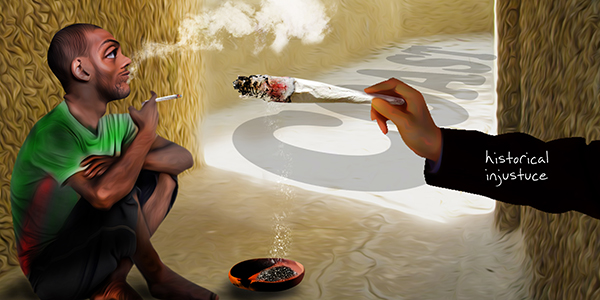
The article explores the historical transformation of the Swahili Coast, tracing its evolution from a thriving center of maritime trade and cultural sophistication into a region struggling with economic marginalization and political neglect.
Prof. Goldsmith begins by revisiting the 19th-century coastal city-states such as Lamu, Pate, and Witu, once renowned for their Islamic scholarship, seafaring prowess, and cosmopolitan culture that connected Africa to Arabia and Asia. However, the article argues that the advent of European colonialism dismantled this autonomy, replacing coastal self-rule with externally imposed governance and economic systems that eroded local power structures.
The piece’s title — “Nyimbo Yatoka Ngomani” (“The song comes from the drum”) — serves as a metaphor for the resilient yet performative nature of Swahili identity. Goldsmith uses the imagery of Beni chama (competitive dance societies) to illustrate how former expressions of civic pride and leadership turned into symbolic spectacles under colonial suppression. These parades, once tied to authority and community organization, became cultural performances that nostalgically celebrated lost influence.
Goldsmith connects these cultural shifts to contemporary issues, showing how marginalization, land alienation, and state neglect continue to define Kenya’s coastal region. He suggests that the Swahili Coast’s decline reflects not merely economic loss but also a dislocation of historical consciousness — a loss of connection between political agency and cultural expression.
Ultimately, the article is both historical and diagnostic — it portrays a once-vibrant civilization forced to reinvent its identity amid systemic exclusion, while hinting that the resilience of the Swahili people may still hold the key to their socio-political renewal.